
A screened porch should serve your family throughout the year, not just during the mildest months. Many homeowners build this addition without considering how temperature swings and seasonal changes affect actual usability. Planning ahead for year-round comfort makes the difference between an occasional space and one used constantly. Here is what to think about before construction begins.
Getting Year-Round Use from Your Porch
Want a porch you can actually enjoy beyond just a few weeks each spring? Thoughtful porch builders Marietta GA homeowners choose design spaces built for comfort across every season. Here is how they do it.
Planning for Temperature Extremes
Screened porches face direct exposure to outside temperatures, unlike fully enclosed rooms. Hot summer afternoons can make the space uncomfortable without proper airflow or shade planning. Cold months limit use entirely without some form of heating consideration. Discussing expected use during extreme weather helps contractors recommend features like ceiling fans or shade structures that extend comfortable use across more of the calendar year.
Adding Ceiling Fans for Airflow
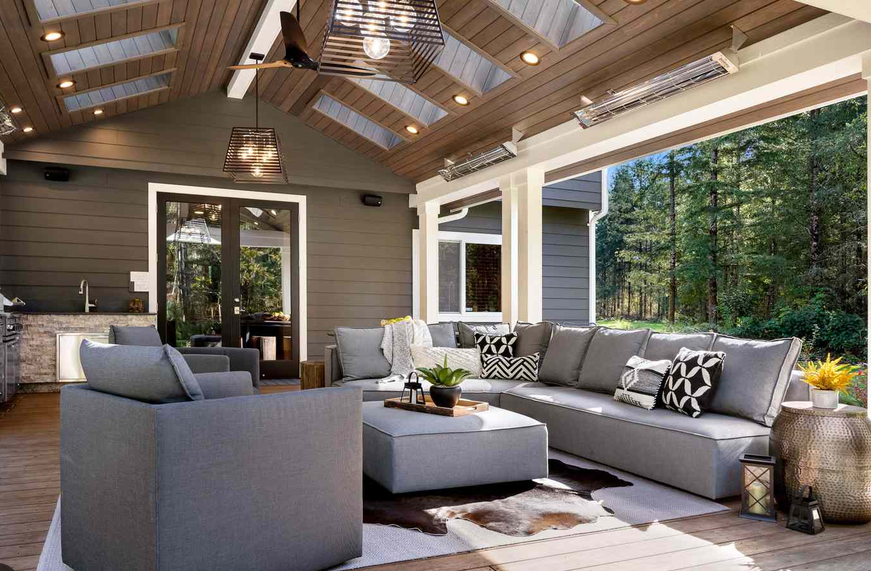
Proper airflow makes a significant difference during warmer months. Ceiling fans circulate air, making the space feel noticeably cooler even on humid days. This simple addition often extends comfortable use well into late summer when stagnant air would otherwise drive people back indoors. Planning electrical wiring during initial construction avoids the higher cost and disruption of adding fans after the porch is already finished.
Considering Heating Options
Some homeowners choose to add heating elements, like infrared heaters or a small fireplace, to extend porch use into cooler months. This addition transforms the space from a seasonal feature into something usable well into fall and even early winter. Heating requirements affect electrical planning and sometimes ventilation considerations, so discussing this option early helps contractors design the space appropriately from the very beginning.
Choosing Weather Resistant Materials
Materials matter more in a screened porch than fully enclosed rooms, since the space experiences more temperature and humidity fluctuation. Composite decking resists warping better than standard wood in changing conditions. Weather resistant furniture and cushions also hold up better against occasional exposure to the elements. Choosing durable materials upfront reduces maintenance headaches and keeps the space looking fresh across changing seasons.
Positioning for Natural Shade and Light
Where a porch sits relative to the sun affects comfort throughout the day and across seasons. East facing porches often stay cooler during hot afternoons, while west facing spaces may need additional shade solutions. Existing trees can provide natural cooling during summer months. Thinking through orientation before construction begins helps maximize comfort without relying entirely on mechanical solutions like fans or heaters.
Conclusion: Getting Year-Round Use from Your Porch
Building a porch for year-round comfort involves thoughtful planning beyond basic construction. Ceiling fans, heating options, and durable materials all extend usability across changing seasons. Considering orientation and natural shade adds comfort without relying solely on mechanical solutions. These choices together create a space that families actually use throughout the year rather than just during the mildest weeks.
Recent Comments