
In House Team or Outside Integrator

Manufacturing facilities face a common question when planning automation projects. Some try building capabilities internally, while others bring in outside specialists. Each approach comes with distinct advantages and tradeoffs. Understanding these differences helps decision makers choose the path that best fits their facility’s specific situation and long-term goals.
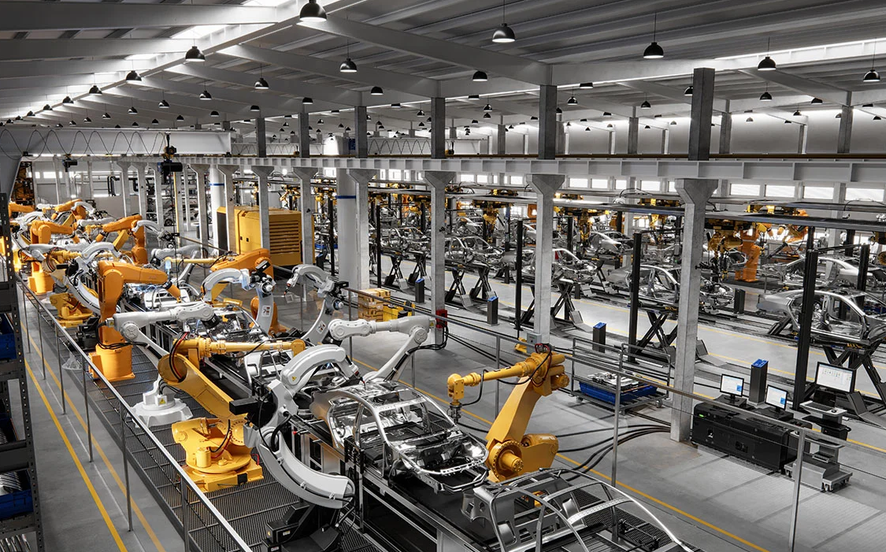
Weighing Internal Resources Against Outside Expertise

Debating whether to build automation expertise internally or bring in outside help? A skilled industrial automation systems integrator brings specialized knowledge many facilities lack internally. Here is how the two options compare.

The Case for In House Teams

Building internal automation capabilities offers certain advantages for larger facilities with ongoing needs. In house staff develop deep familiarity with existing equipment and processes over time. This institutional knowledge can speed up troubleshooting for recurring issues. However, hiring and training qualified staff takes significant time and investment. Smaller facilities often struggle to justify a full-time position for occasional automation projects.

What Outside Integrators Bring

External integrators bring broad experience across multiple industries and equipment types. This exposure often means faster problem solving, since they have likely encountered similar challenges elsewhere. Facilities avoid the overhead of full-time salaries and benefits for specialized skills only needed periodically. Outside integrators also stay current on emerging technology through work across various client projects, offering perspective an isolated internal team might miss.

Considering Project Frequency and Complexity

Facilities with frequent, ongoing automation needs may benefit more from internal staff over time. Those with occasional projects or highly specialized requirements often find outside integrators more cost effective. Complex projects involving unfamiliar technology also favor bringing in specialized expertise rather than relying on a smaller internal team learning as they go. Matching the approach to actual project frequency prevents wasted resources either direction.

A Hybrid Approach Often Works Best

Many facilities find success combining both options rather than choosing exclusively one path. Internal staff handle daily monitoring and minor adjustments, while outside integrators manage larger projects or complex troubleshooting beyond internal expertise. This combination provides day to day responsiveness alongside access to specialized knowledge when needed. Building a good working relationship with a trusted integrator supports this hybrid model effectively over time.

Making the Right Choice for Your Facility

Evaluating current staff capabilities, project frequency, and budget helps clarify which approach fits best. Facilities should also consider growth plans, since expanding operations may shift the calculation toward building internal expertise eventually. Consulting with potential integrators about their approach to knowledge transfer can also inform this decision, since some help train internal staff alongside completing project work itself.

Conclusion: Weighing Internal Resources Against Outside Expertise

Choosing between internal automation staff and outside integrators depends on project frequency, complexity, and available budget. Each approach carries distinct tradeoffs worth careful consideration. Many facilities find a hybrid model delivers the best balance of responsiveness and specialized expertise. Evaluating your specific situation carefully leads to a staffing decision that supports long term operational success.
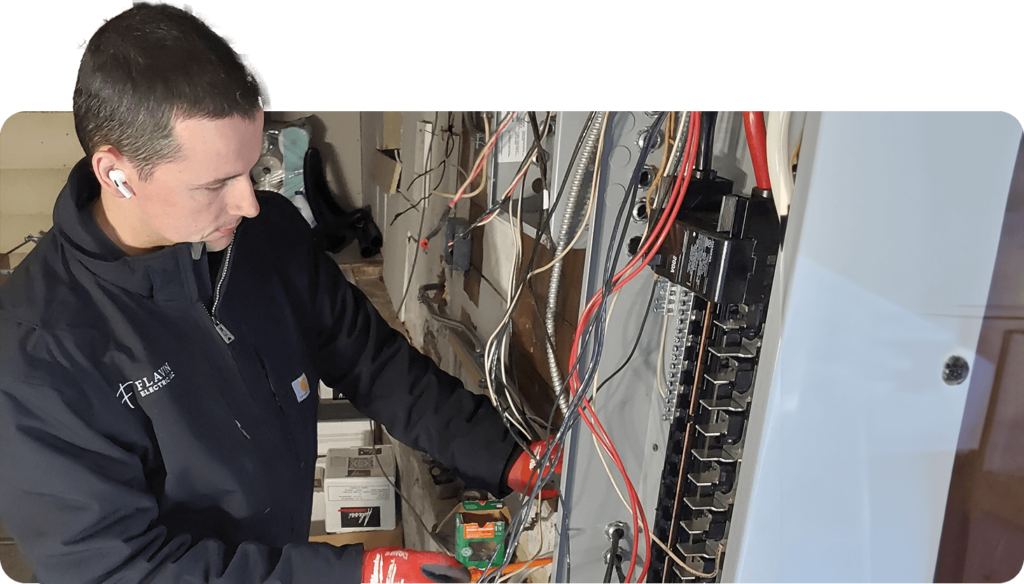
Why the Electrician You Choose Says a Lot About How You Value Your Property

Every electrical decision made in your home or business carries consequences that extend well beyond the immediate job. Poor workmanship creates hidden hazards that take months or years to surface. Proper work, on the other hand, delivers reliability, safety, and long-term value that you rarely have to think about because everything simply works the way it should.

Your Property Deserves More Than Just Someone with a Toolbox

Electrical work is one of those areas where the difference between good and average is not always visible right away, but it is always felt eventually. Whether you are dealing with a persistent circuit issue, planning a renovation, or simply need dependable service you can count on, electricians Charleston SC professionals deliver the quality and accountability your property genuinely deserves.

Licensed Electricians Bring More Than Technical Skill

Hiring a licensed electrician means more than getting someone who knows how to handle wiring. It means working with a professional who understands local codes, carries proper insurance, and takes responsibility for the work they perform. Licensing exists to protect property owners from substandard work that creates fire risks, fails inspections, and creates complications when it comes time to sell. A licensed professional brings a level of accountability that unlicensed contractors simply cannot offer.

Residential and Commercial Needs Require Different Approaches

Not all electrical work falls into the same category, and the best electricians understand that distinction clearly. Residential projects tend to focus on comfort, convenience, and safety within living spaces, while commercial work involves higher load demands, more complex distribution systems, and stricter compliance requirements. An electrician with experience across both settings brings a broader perspective and a deeper problem-solving toolkit that benefits every type of client they serve.

Troubleshooting Is Where True Expertise Shows Itself

Any electrician can follow a straightforward installation checklist. What separates truly skilled professionals from the rest is their ability to diagnose and resolve problems that are not immediately obvious. Flickering lights, tripping breakers, outlets that intermittently lose power, and rising energy bills without a clear cause all point to underlying issues that require genuine diagnostic ability. Experienced electricians approach these situations methodically, tracing problems to their source rather than applying surface-level fixes that leave the root cause unresolved.

Responsive Service Builds the Kind of Trust That Lasts

Beyond technical competence, the electricians who earn lasting loyalty from their clients are the ones who show up on time, communicate honestly, and treat every job with the same level of care regardless of size. A small repair handled professionally leaves just as strong an impression as a major installation completed on schedule. Property owners remember how a contractor made them feel throughout the process, and that experience is what drives referrals and repeat business more than anything else.

Conclusion: Your Property Deserves More Than Just Someone with a Toolbox

To bring everything together, choosing the right electrician comes down to licensing, relevant experience, genuine diagnostic skill, and a service approach that respects your time and your property. These qualities are not difficult to find when you know what to look for, but they make an enormous difference in the outcome of every job. Take the time to choose a professional who meets this standard, and your home or business will reflect that decision in ways that matter for years to come.